
 Login with Google
 Your Shopping Cart is empty!
  App store
 Google Play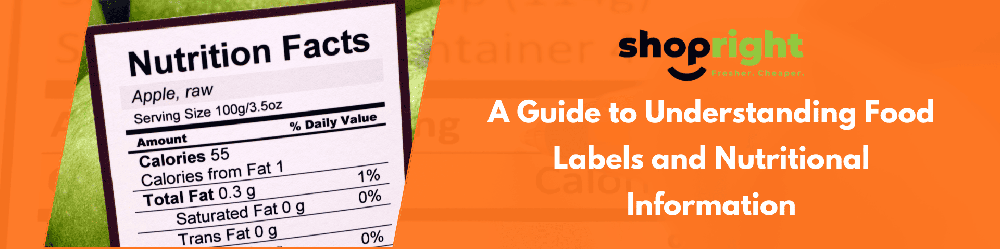
Introduction
Have you ever picked a product that you thought was healthy only to later discover that it is full of sugar or sodium? You're not alone. The vast majority of buyers look at the first thing that covers the package and fail to see the fine print, which is the food label. Knowing how to read and understand these labels will assist you in making better, healthier choices for yourself and your family.
You can use this guide to read the labels of your fresh fruit and vegetable purchases, snacks, and packaged foods and have the confidence to make informed choices about what to eat.
Why Reading Food Labels Matters
Food labels are not only read by people who are fitness enthusiasts but also by people who are concerned about their well-being. Labeling: It tells what is in what you eat: calories and fat, sugar and sodium, and other nutrients.
Understanding food labels helps you:
- Choose healthier alternatives.
- Avoid ingredients that may trigger allergies.
- Manage specific health goals like weight loss, blood pressure, or diabetes.
Simply, labels will enable you to shop smarter rather than faster. The better informed you are, the more you will pick the right things in your cart.
Breaking Down a Food Label — What Each Section Means
A food label may be threatening initially, but when you get to know each segment, it is your best grocery guide. Let's decode it step by step:
1. Serving Size & Calories
Serving size informs you of what quantity of the product the nutrition information is based on. Never eat more than this, and when you do eat more, you will be doubling all the nutrients and calories as well.
2. Calories
Calories indicate the amount of energy that a single serving will provide. When you are controlling your weight, comparing the calories in similar products may help you make a wise choice.
3. Nutrients: Fat, Carbohydrates & Protein
- Fat: Look for unsaturated fats and limit saturated or trans fats.
- Carbohydrates: Include fiber-rich carbs; avoid added sugars.
- Protein: Essential for muscle and tissue repair — aim for a balance.
4. Daily Value % (DV%)
This will indicate the level of contribution of a nutrient in your daily diet.
- 5% DV or less = low
- 20% DV or more = high
Use this to spot if something has too much sodium, fat, or sugar.
5. Ingredients List
Ingredients are listed in descending order, i.e. the most to the least. A short list is a sign that it will contain fewer additives and preservatives.
6. Allergen Information
This section is essential in case of allergies to you or your child. Check allergens such as nuts, soy, milk, eggs, or wheat.
Understanding Common Label Terms & Claims
Food packaging is deceptive - the labels such as natural, organic, or light do not necessarily imply healthy food. Here’s what some of these terms actually mean:
- Low fat: Contains less than 3g of fat per serving.
- Sugar-free: Less than 0.5g of sugar per serving — but may include artificial sweeteners.
- Organic: Grown without synthetic fertilizers or pesticides.
- All natural: Little processing- yet not always healthier.
- Gluten-free: It is fine for all who have gluten intolerance or celiac disease.
Also, note the date labels:
- “Use by” — food safety deadline.
- “Best before” — quality indicator (still safe after the date).
- “Sell by” — meant for store management, not consumers.
Tips for Making Healthier Grocery Decisions
Once you know how to read labels, it’s easier to make choices that support your health goals:
- Compare brands: Check sodium, sugar, and fat per serving.
- Choose whole foods: Go for items with minimal ingredients.
- Watch added sugars: They often appear under names like “corn syrup,” “fructose,” or “maltose.”
- Focus on fiber: Foods high in dietary fiber help digestion and fullness.
These small shifts in reading labels can lead to long-term health benefits.
Common Mistakes People Make When Reading Labels
Even well-intentioned, a large number of shoppers will fail to read or miss important information on the packaging:
- Ignoring serving sizes and calories.
- Assuming “low fat” means low sugar or low calories.
- Overlooking sodium content.
- Trusting flashy health claims instead of facts.
Always remember not to fall into these traps, but read the Nutrition Facts on the first page and not on the front of the box!
Shop Smart, Eat Smart — Buy Healthy Food in Cayman
When you are willing to use your new label-reading skills, you can go to Shopright.ky - the reliable grocery store in Cayman with quality, freshness, and transparency.
With healthy snacks, whole grains, milk, and fresh products, Shopright aids in making the right decisions regarding the health of your family.
FAQs About Reading Food Labels
Start with serving size and calories, then check fat, sugar, and sodium levels.
.jpg)
.png)
. Frozen_ Which Is Better for Your Health_(700x700px).jpg)
.jpg)