
 Login with Google
 Your Shopping Cart is empty!
  App store
 Google Play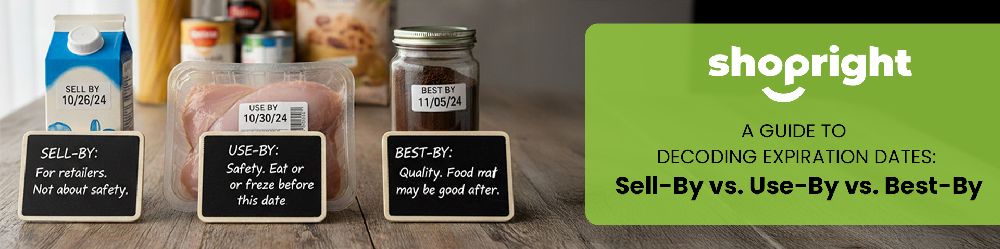
We've all been there: you're standing in front of the open fridge, a carton of milk in one hand and a half-eaten loaf of bread in the other. You spot a date on the label and realize it passed two days ago. Does it go in the trash or on your cereal?
This moment of doubt is common for almost every shopper. Food expiration labels are designed to help us, but they sometimes lead to more confusion than clarity. Many of us see a date and assume the food becomes dangerous at the stroke of midnight. This misunderstanding leads to tons of perfectly good food being tossed out every year. In fact, learning how to read expiration dates is one of the easiest ways to reduce food waste and save money on your weekly grocery bill.
The truth is that most grocery expiration dates are about how the food looks and tastes, not necessarily how safe it is to eat. By understanding what these food safety labels really mean, you can make better choices for your family and your budget.
What Expiration Dates on Food Really Mean?
Most people are surprised to learn that, except for infant formula, the federal government does not require expiration dates on food. Instead, these dates are voluntarily provided by manufacturers. They are essentially a "promise" of peak quality.
A date on a package is the manufacturer's best estimate of when the food will be at its absolute best in terms of flavor, texture, and color. It is not a hard deadline for safety. When you see food freshness dates, think of them as a "peak window" rather than a "danger zone" warning.
Decoding The Difference Between Food Safety and Food Quality
Understanding the gap between quality and safety is the secret to a smarter kitchen.
- Quality refers to the sensory experience. Is the cracker still crunchy? Does the juice still have that bright, punchy flavor?
- Safety refers to whether the food contains harmful bacteria that could make you sick.
Most food expiration labels focus on quality. For instance, a box of candy or cracker past its date might taste stale, but it won't necessarily cause any harm to the consumer. However, safety depends more on how the food was handled and stored rather than just the number on the box.
Related Blog: Guide to Understanding Food Labels and Nutritional Information
Decoding "Sell-By" Dates
The sell-by vs use-by vs best-by dilemma usually starts with the "Sell-By" date. If you see this while browsing our groceries category, remember it is not meant for you; it is meant for the store.
A "Sell-By" date tells the retailer how long to keep the product on the shelf. Manufacturers include this to ensure that when you take the item home, you still have a reasonable amount of time to use it at high quality. For reference, milk labeled with a "Sell-By" date is still fresh for about a week post the date, if it is kept cold.
Understanding "Use-By" Dates
This is the one label where you should pay a bit more attention. A "Use-By" date is clearly the last date that the manufacturer has recommended for using the product for peak quality.
While it is still mostly a quality indicator, for highly perishable items like fresh meat or poultry, it is a helpful guide for when to either cook the item or move it to your frozen foods section. The only time "Use-By" is a strict safety requirement is on infant formula; never use formula past that date.
The Meaning of "Best-By" Dates
The "Best-By" or "Best if Used By" label is quite common, but is majorly misunderstood. It is purely about the experience of the food. It tells you when the flavor and texture are at their absolute best.
You will often see this on pantry items like pasta, canned beans, or dry cereal. If your pasta is a month past its "Best-By" date, it is likely still perfectly fine to eat, though it might be a tiny bit less firm when cooked.
Foods Often Safe Past the Labeled Date
Many staples in your kitchen have a much longer food storage and shelf life than the label suggests.
Canned Goods: High-acid foods like tomatoes last 18 months, while low-acid cans like corn or peas can stay safe for up to five years if the can isn't dented or rusted.
Eggs: If kept in the fridge, eggs are usually good for 3 to 5 weeks, even if that is past the date on the carton.
Hard Cheeses: As long as there is no mold, hard cheeses like cheddar can last a long time in the dairy products aisle of your fridge.
Dry Grains: Rice and dry pasta can last for years in a cool, dark place.
When to Play it Safe: Foods to Discard
While we want to reduce food waste, your health always comes first. There are some items where you should be more cautious.
- Infant Formula: Always follow the date.
- Deli Meats: Once opened, these spoil quickly. Use them within 3 to 5 days regardless of the date.
- Soft Cheeses: Unlike hard cheese, mold on soft cheese, like brie or cottage cheese, means the whole container should be tossed.
- Sprouting or Slimy Produce: Check your fresh fruits & vegetables for signs of spoilage like slime, heavy bruising, or off-odors.
How Proper Storage Extends Shelf Life?
The date on the label assumes you are storing the food correctly. You can actually extend the life of your groceries just by where you put them.
Check Your Fridge Temp: Keep your refrigerator at 40°F (4°C) or below.
The Freezer is Your Friend: If you can't eat meat or bread by its date, freeze it! Freezing acts like a "pause button" on the clock.
Airtight works best: Once the pack is open, it is recommended to move the pantry items to airtight containers to keep out the moisture and pests.
Gaining clarity on the expiration dates is a great way to shop smarter and waste less. Find fresh, high-quality groceries you can trust at Shopright. Shop online at Shopright for everyday essentials with confidence.
.jpg)
.png)
. Frozen_ Which Is Better for Your Health_(700x700px).jpg)
.jpg)